
U of U Swiftwater Rescue Techniques (SRT) Hosted By Utah Whitewater Gear
Available in store
CloseU of U Swiftwater Rescue Techniques Course
May 28–30
Register here: https://ems-uofu.nbsstore.net/utah-whitewater-gear-swiftwater-may-28-30
Save 10% on registration — use coupon code: UWG2026
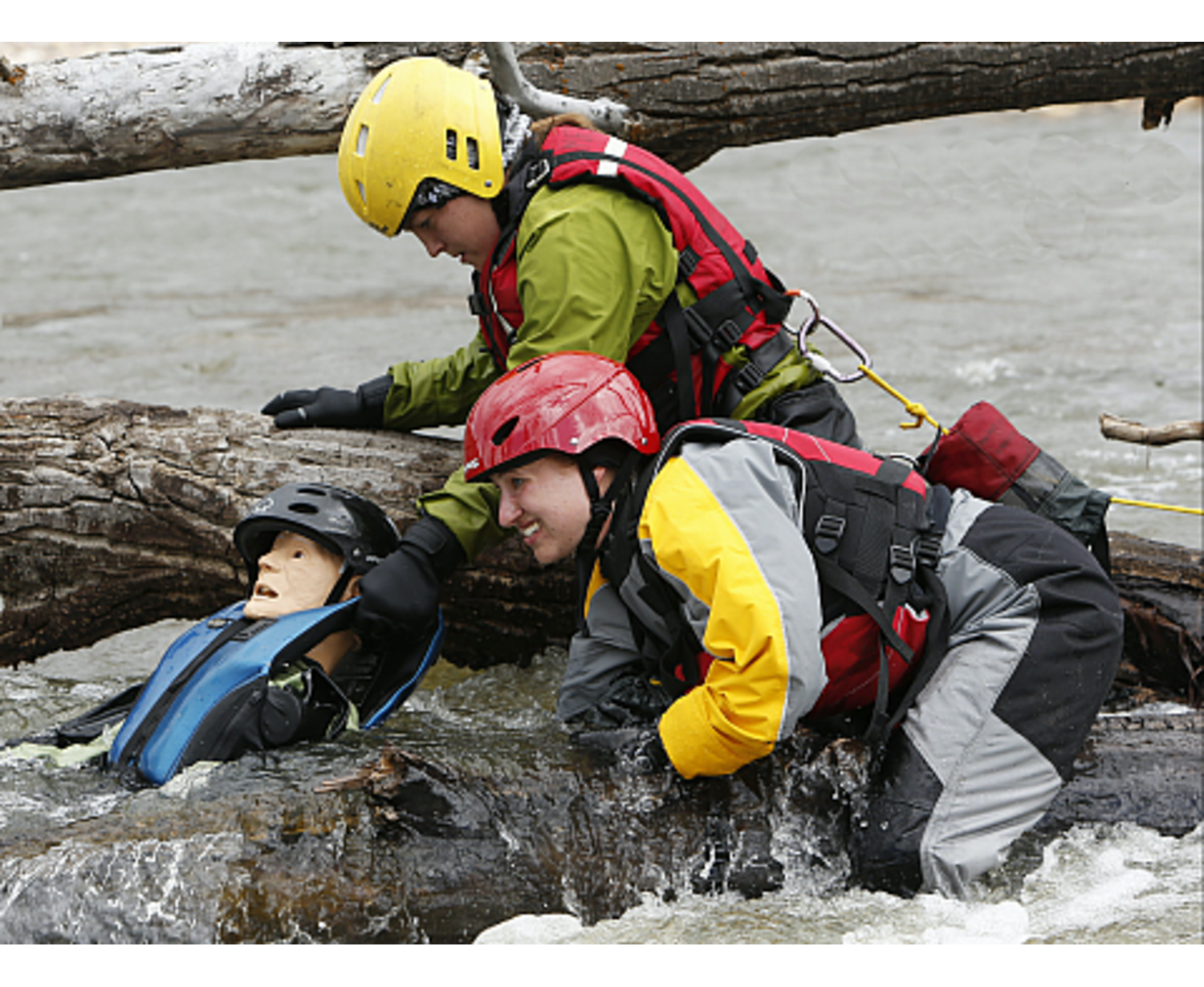
This dynamic course focuses on real‑world skills for responding to emergencies in swiftwater settings. Instruction is fast‑paced and practical, with techniques explained, demonstrated, and practiced across multiple river locations to highlight both their adaptability and limitations.
The progression begins with foundational skills such as defensive and aggressive swimming in whitewater and effective throw bag use. As proficiency develops, students move into advanced rescue techniques including tension diagonals, live bait rescues, and both heads‑up and heads‑down entrapment rescues. Scenario‑based training is used throughout the course to reinforce decision‑making, teamwork, and realistic application.
Core themes include accident prevention, rescuer safety, and effective scene assessment and management in dynamic river environments.
Participants should have basic river experience and be comfortable swimming. Students must be 18 years of age or older, have adequate health insurance, and meet the physical demands of active river training. Wilderness First Aid or higher medical certification is recommended but not required. Exceptions to age requirements may be considered on a case‑by‑case basis by contacting us prior to registration.
Students who successfully complete the course will receive a Swiftwater Rescue Techniques certificate issued by the University of Utah.
As a thank‑you for training with us, all course participants receive 10% off any rescue accessories at Utah Whitewater Gear during the course dates. This includes throw bags, carabiners, prusiks, pulleys, and other essential rescue equipment.
Hosted by Utah Whitewater Gear
Logistics
The first day the course will meet at Utah Whitewater Gear. As we get closer to the course, an instructor will contact you with location information and directions.
The afternoon of the first day and the entirety of the remaining days are all field time, which will take place within a 1-hour drive of Salt Lake City. The exact locations will be announced on the first day, as it will be dependent on water levels and weather. The course will run each day from approximately 8:30am-5:00pm. You are responsible for your own transportation to field locations and for lunch during the day.
Gear List
The first day will begin with a half-day of classroom and dry land practice. Bring a notebook, camera, or whatever helps you learn. In the afternoon of the first day we will head out to the river, so come prepared with all the items listed for being outside in cold and wet conditions, as there will be extensive practice time in the river.
Required Items
- Insulation for swimming in cold whitewater: A full river drysuit is ideal. Other options are a dry top and bottom, or a full wetsuit. At a minimum a farmer john wetsuit, synthetic upper layers and a splash top. SCUBA drysuits WILL NOT work.
- Synthetic long underwear and other insulating layers to wear under drysuit.
- Lightweight water or kayak helmet. NO climbing, cycling helmets, etc.
- PFD- USCG approved Type III or V with river boating intended use. If you have access to a type V PFD with a releasable rescue harness, please bring it.
- Thick-soled water shoes/booties or tennis shoes. Must be closed-toe.
Optional Items
- Neoprene gloves and skullcap or balaclava
- Whistle
- River knife
- Throw bag
- Flip line
- Spray pants
- Carabiners and prusiks, etc.
- Feel free to bring any rescue/safety gear that you own and use (your own throwbag, z-drag/wrap kit, etc.), so that you can practice with it.
Sample Schedule
Day 1
AM: Introductions; River rescue philosophy; Equipment; throw bags; Depart for field
PM: Safety talk; Swimming; Live-bait rescues; Strainer drill; Scenarios
Day 2
AM: Hypothermia; Shore-based anchors; Boat-based anchors; Mechanical advantage systems
PM: Tension diagonals; Wading; Spinal precautions; Scenarios
Day 3
AM: Submersion; Entrapment- 1 shore; Panic swimmer
PM: Entrapment-2 shore; Scenarios
